In previous entries we have already heavily discussed the idea of Metaverses, WEB3 and the rise of AI within the Crypto- and Blockchain-sphere.
(For further reading, check out the following articles:
– METAVERSE, WEB3 AND THE MARKETS OF TOMORROW.
– AN INTRODUCTION TO #WEB3
– AI, METAVERSES AND WEB3 )
In this entry I would like to do a deep-dive into blockchain-based gaming.

What is blockchain-based gaming?
Blockchain-based gaming is just that:
“Games making use of blockchain-technology.”
This comes mostly in the form of creating, minting and using NFTs which provide Proof-Of-Ownership for in-game items.
Basically, most, if not all, blockchain-based games allow for the trading of in-game items through the use of blockchain.
Imagine playing World of Warcraft and being able to own a truly legendary item in the form of an NFT. That the item will forever remain in your custody as there’s only a few of these EVER minted or created.
Where it concerns value will these kind of NFTs skyrocket tremendously as they will be highly sought-after collectibles with in-game use (and outside the game as a truly unique collectible).
Is it innovative?
In a sense is blockchain-based gaming revolutionary for it allows to tie a certain sense of “ownership” to the gaming world.
With the rise of platforms like STEAM and EPIC GAMES did we get used of “owning” games until the platform decides to no longer support these or remove them completely out of the library.
Various arrangements exist going from “Delisted”, “Unavailable for purchase” and up to “banned and unsupported”. Meaning that ownership can be revoked if the game is considered not up to par with the 3rd party platform codes.
The ability to have in-game items saved on a blockchain allows for uncensorable aspects of a game (or gaming in itself). On the blockchain are various in-game transactions and information being stored which circumvent censorship by 3rd party platforms or even national firewalls.
This aspect makes it interesting to get into blockchain-based gaming.
… but there is another side to it.
The other side…
Sadly enough does blockchain-based gaming come with a few challenges.
Flaws already present in “classic” gaming through the use of the aforementioned platforms like STEAM.
The problem of Microtransactions (heavily popularized in smartphone-based games) and that of DLCs (Downloadable Content, i.e. “expansions” which make part of the main game).
Most blockchain-based games do not fix the inherent flaws which already exist and which are plaguing the current gaming industry.
- Many games being “unfinished” or “in development” as most of the in-game items are being sold as NFTs in order to raise capital to further develop the game.
- With promises of “play-to-earn” comes a first initial cost (an expensive subscription) before you can even start gaming
For my CRYPTO BULL live stream series I did a live stream analysis of a few blockchain-based games. These two aspects always coming upfront.
A recent example would be Medieval Empires. A project to which influencer Carl Runefelt (@TheMoonCarl on twitter) is an angel investor off.
Other examples where I highlighted these flaws exist.
To get the full gist of the flaws of specific blockchain-based games I suggest watching my separate entries of:
All of these examples highlight the current on-going problem inherent to blockchain-based gaming.
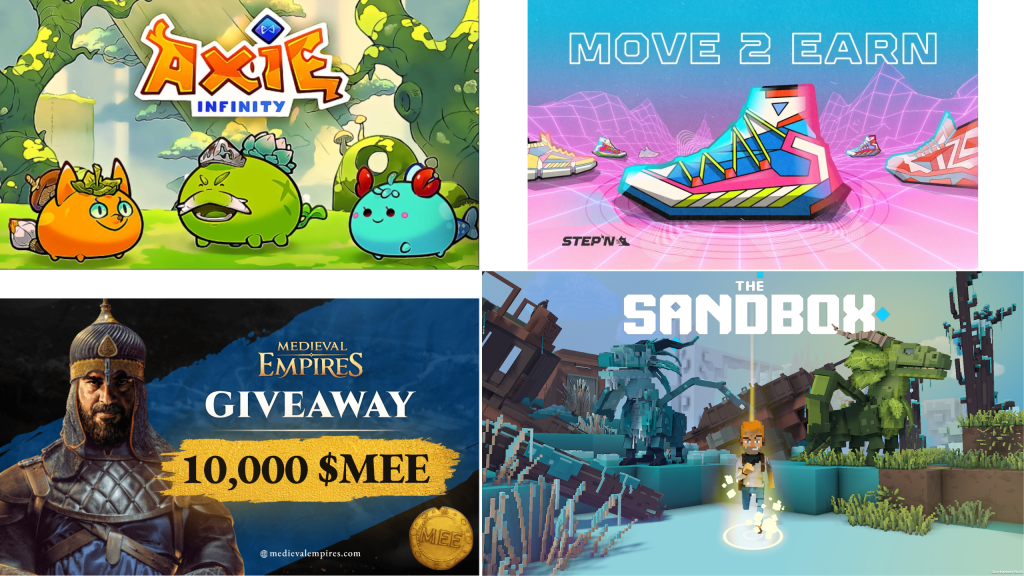
SPECULATION – the main problem
Speculation is THE blockchain-based game killer.
In all of the aforementioned games (and plenty of others) are there indications of having yo pay exuberant prizes in order to participate or even stand a chance to “Play-To-Earn”.
With most Blockchain-based games will you need to be part of the “early adopters” in order to have a chance of playing the game as intended… or being able to stomach to pay a literal 100s or even 1000s of $USD to get some good and “rare” in-game items that sets you on your way.
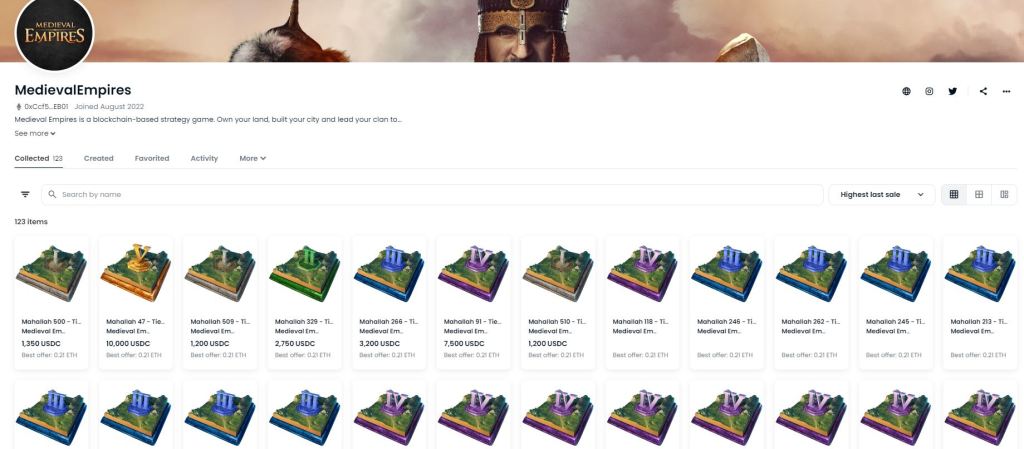
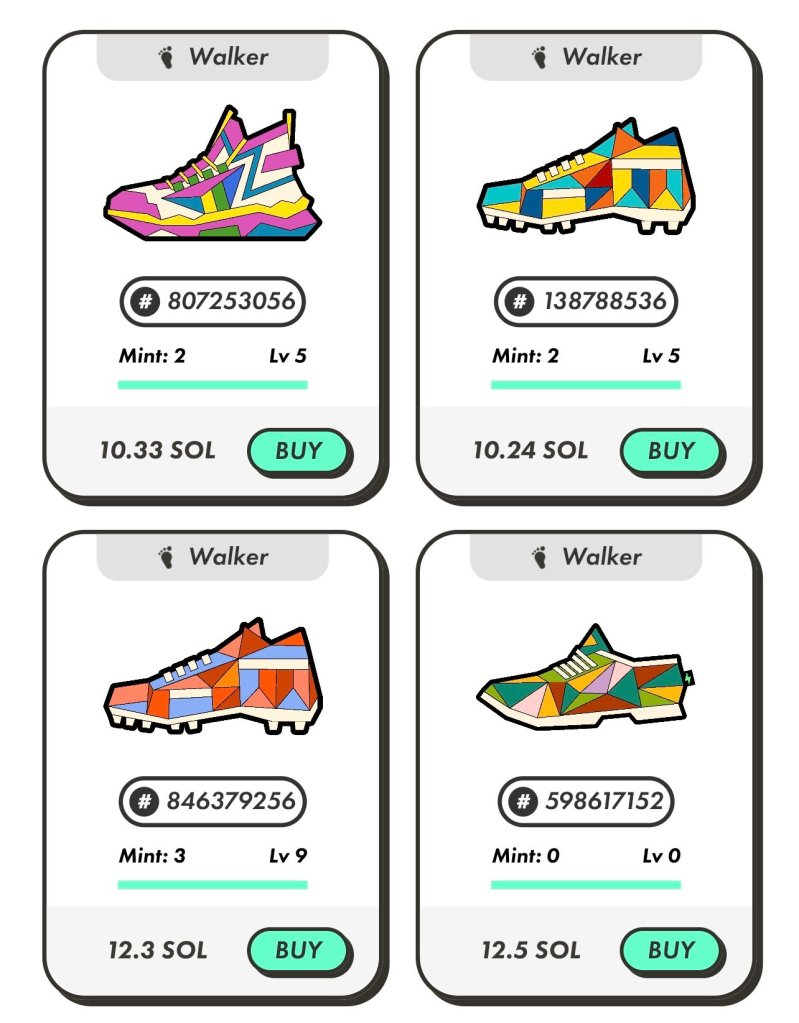
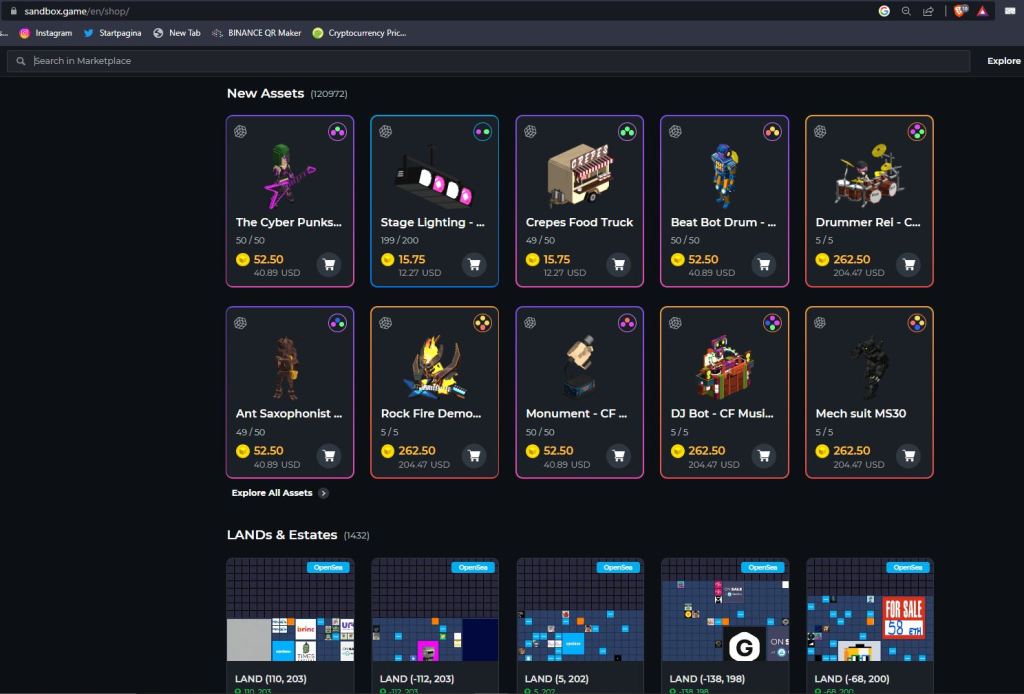
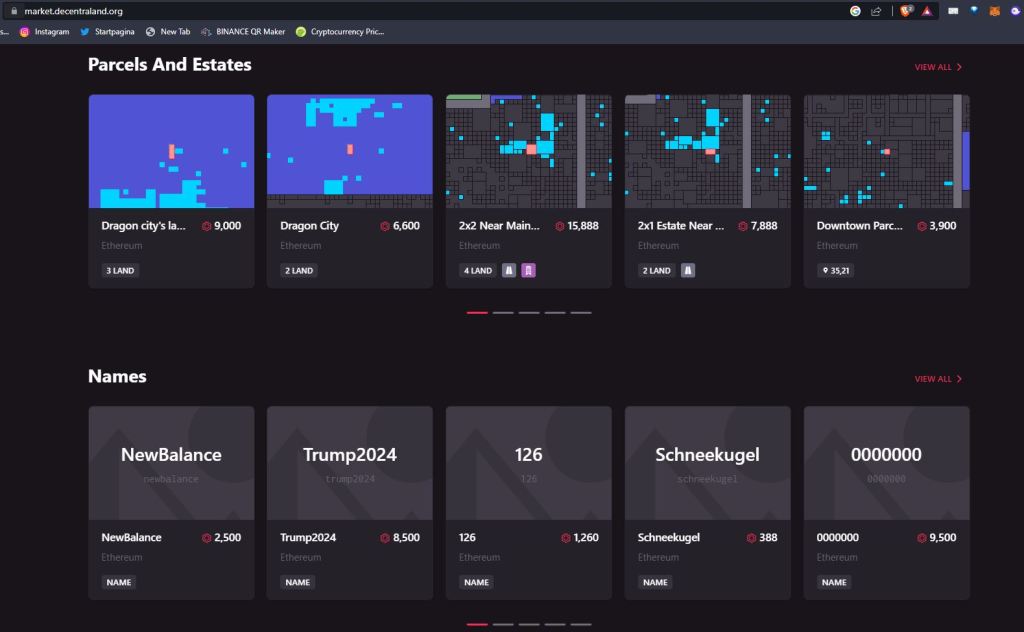
The heavy speculation makes it so that most, if not all, current blockchain-based games become defunct from the get-go. Unplayable train-wrecks apart from very small community who tries to earn as much rewards as possible to make-up their initial investments.
And you thought micro-transactions and payable DLC’s were bad? This is even worse.
In conclusion
Despite my negative outlook in this entry, blockchain-based gaming still has a good future ahead.
The gaming industry is DEFINITELY one which will fare well by the use of blockchain technology and which unlocks a greater part of the potential for NFT-use.
Currently does a fair game still need to be invented.
A true “Play-To-Earn” game with no hidden costs in order to step in.
A game which does not deal in speculation on mass-minted in-game items as NFTs that make playing the game an over-prized endeavor.
The world of Cryptocurrency, Metaverses, WEB3 and blockchain-based gaming is, sadly enough, still one rife with the idea of “getting rich fast”. An idea which wrecks many a decent project with unwarranted speculation to the extend good fundamentals are being thrown under the bus and devolving into a cheap cash-grab.
But as the Crypto and blockchain landscape keeps on evolving, so shall the innovative nature of it all. Hypes will die down and make place for the sustainable ecosystems to slowly rise and out-perform their “peers” in the many years to come.
 Bit-Block.org
Leave a reply to Developers guide to Token Standards: Ethereum – Gracious Interests Cancel reply